Symptoms are often at their worst between 24 and 72 hours after you stop drinking. Practice meditation, deep breathing exercises, or gentle yoga to promote relaxation and help manage anxiety. The NIAAA site has a treatment navigator where you can find treatment facilities in your zip code. When someone first has a drink of alcohol, it often has a sedative effect.
© 2025 Lemonaid Health. All rights reserved.
- Let’s say you’ve had a big night out and you can’t quite recall a conversation you had or something you did.
- However, given the potent combination of ingredients in energy drinks and their potential impact on mental well-being, it may be wise to explore healthier alternatives for sustained energy.
- There are no specific studies that suggest that one type of alcohol can affect anxiety levels more than other types of alcohol.
- The early days of sobriety can be very challenging, but you can get through them.
Again, these work best in combination with other treatments, like therapy and medication, where appropriate. Learning new skills like behavioral strategies, meditation, and physically relaxing exercises can help you cope with anxiety and support you if you’re seeking help for your drinking. One theory posed by researchers is that people with anxiety disorders who drink to self-medicate are more likely to develop a psychological dependence on alcohol.
Alcohol Anxiety: 6 Reasons Why You Suffer From It & What To Do About It
Alcohol-induced anxiety disorder often begins with occasional anxiety after drinking, which can worsen over time with continued alcohol use. In some cases, individuals may develop panic attacks or chronic anxiety, even when not drinking. The disorder can become more severe if alcohol dependence or alcohol use disorder (AUD) is present.
- Yes, decaf coffee still has some caffeine, usually about 2-5 mg per cup.
- However, social situations can also be stressful, especially for people who are prone to anxiety.
- Having enough water in your body means alcohol is less likely to dehydrate your system and lead to anxiety.
- Alcohol’s boost in glutamate may contribute to anxiety well into the following day.
- „So an early referral to a mental health specialist, or even your primary care doctor, might go a long way.”
Do you remember what you said last night?
If you’re getting through alcohol withdrawal at home, here’s what can help. As your body gets used to no alcohol, different treatments can make you more comfortable and keep your symptoms from getting worse. Everyone is different, but generally speaking, mild symptoms often start 6-12 hours after your last drink. To increase dopamine levels after drinking, focus on activities and foods that naturally boost this neurotransmitter. Managing and preventing hangxiety involves practical anxiety from drinking strategies that can help you enjoy social occasions without the unwanted after-effects of anxiety.
- Simple breathing exercises or guided meditations can reduce feelings of distress.
- While many individuals may feel an initial sense of calm or euphoria after drinking, this can be followed by feelings of anxiety or unease as the effects of alcohol wear off.
- Anxiety after drinking alcohol occurs because alcohol affects neurotransmitters, causing a rebound effect by reducing serotonin and increasing cortisol.
- Heavy drinking to the point of alcohol dependence affects your body, from the brain to the central nervous system to individual organs.
You and your community can take steps to improve everyone’s health and quality of life. Using a long-acting form of nicotine replacement therapy (like the patch) along with a short-acting form (like the gum or the lozenge) can be especially helpful for managing nicotine withdrawal (10). Nicotine replacement therapy is more effective when combined with advice or counseling from a doctor, dentist, pharmacist, or other health care provider.
Top doctors in ,
Another possibility is that anxiety disorders that co-occur in people who drink are caused by alcohol withdrawal. Moreover, serotonin—a key player in regulating mood—can also be affected by alcohol consumption. Low serotonin levels are linked to increased feelings of anxiety and depression. Stopping heavy alcohol use can greatly increase the risk of anxiety and panic attacks. As alcohol leaves your system, withdrawal symptoms like sweating, shaking, nausea, headaches, and a fast heartbeat can look a lot like panic attack symptoms. Another study further highlights that heavy alcohol use affects multiple cognitive domains, including problem-solving, attention, and mental flexibility.
Living with an Alcoholic: Practical Advice to Help Your Loved One and Yourself
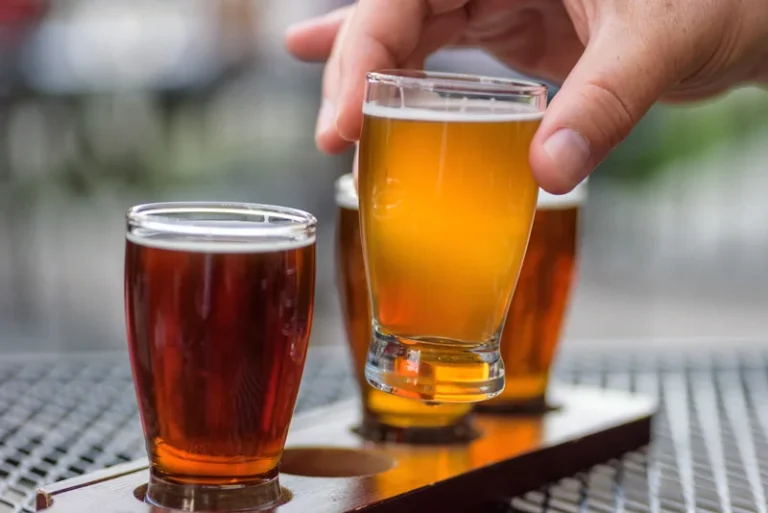
This month-long challenge encourages individuals to reduce or eliminate alcohol intake for January, offering tips, apps, and forums to help you stay on track. CAFAA offers daily Zoom meetings where members can share their experiences and receive marijuana addiction support from others facing the same challenges. You can have fun and stay healthy by trying new activities instead of taking a coffee break or having a drink. When you decide to reduce alcohol, choose tasty non-alcoholic options. Try sparkling water mixed with fruit juice, like lemon or berry flavors.
- “That’s a bad recipe for developing more of a long-term dependence,” Wallace says.
- However, it’s crucial to understand that alcohol affects the brain’s chemistry in complex ways.
- According to survey results, this “hangxiety” is a hangover symptom for approximately 22% of people under the age of 30 years.
- While it’s much less than regular coffee, sensitive people might still feel a little anxious.
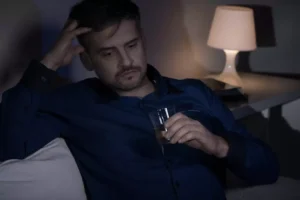
Society would have us believe that there’s no better way to unwind after a long day than by drinking a glass of wine, cold beer, or sipping your go-to liquor. But trying to relax with a drink or two may not give you the long-term anxiety relief you want. Get therapy and medical care—just $25 with insurance, no hidden fees— for alcohol recovery, depression, everyday illnesses, and more. There isn’t one clear answer to this question, as several factors can play a role in whether someone experiences hangover-related anxiety. But hangovers aren’t just physical – there’s a strong mental side too. While for some people, it’s mild nerves, for others, it’s a wave of anxiety that feels impossible to ride out.
Take your time

Rivas Acuña, V., Rodríguez Hernández, CM, Arias Guzmán, MR, Carrillo Hernández, L., Zetina Contreras, E., González Jorge, R. Relationship between alcohol consumption and mental disorders in inhabitants of a rural population. In summary, the duration of an anxiety state caused by alcohol usually ranges between 12 and 24 hours. However, factors such as the amounts of alcohol, the person’s age, the social context and any traumatic experiences they have had come into play here. If they continue to use alcohol to help them feel more relaxed or at ease, they might eventually feel the need to avoid any social situations where they would be unable to drink. There are no specific studies that suggest that one type of alcohol can affect anxiety levels more than other types of alcohol.